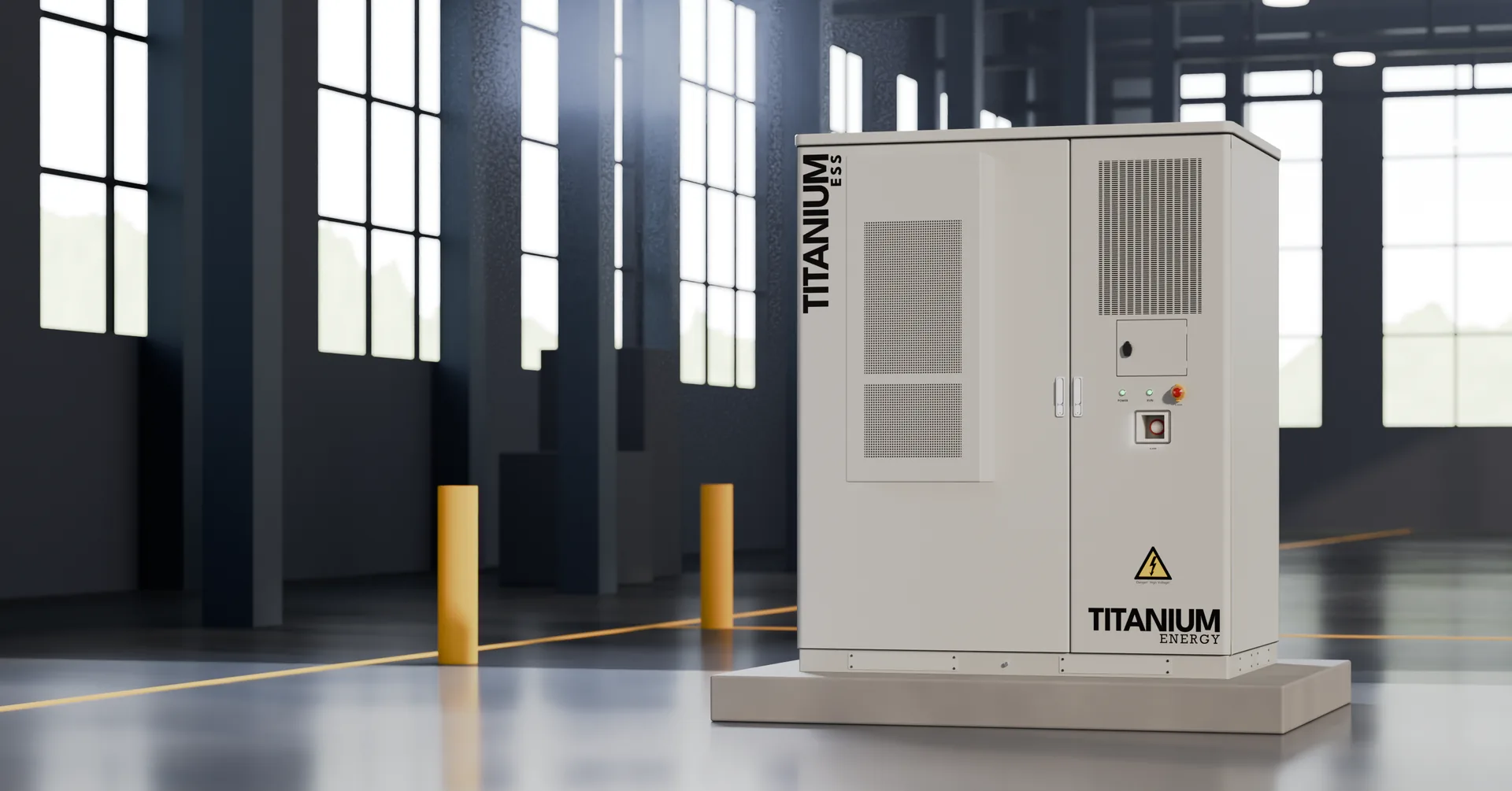
Titanium ESS
Outdoor Battery Storage · 125 kW
Keep your site running when the grid fails, take the peaks off your power bill and run your generators less. One outdoor cabinet for resorts, farms, factories and commercial buildings, built for coastal sites and installed and supported by Titanium.
Models ESS-C125 · ESS-C30S / C60S with Sol-Ark
Power that stays on. Bills that come down.
One cabinet works four ways at once: it banks your solar for the evening, keeps the lights on, rests the generator and trims the demand bill.
Store Your Own Solar†
Shift midday solar into the evening instead of curtailing it, and add the storage the PUC now asks for with new solar.
Ride Through Outages
The power conversion holds the site’s voltage and frequency at all times, so when the grid fails, lights, motors and computers carry on without a switchover.
Run the Genset Less
The battery carries the night and the light loads. The genset starts only when the battery runs low, and runs at its best load while it recharges it.
Lower Demand Charges‡
On demand-billed tariffs the battery discharges at your peaks. One cabinet can take up to 125 kVA off the monthly peak.
Values are indicative for one cabinet and are confirmed by a site study.
† PUC Capacity Limits Order 2026: distributed-generation solar from 6 kW to 250 kW must include at least one hour of storage, and from 250 kW to 1 MW at least two hours.
‡ BEL tariffs, Schedule 6A, January to June 2026: demand charges apply to Industrial 1 (BZ$35.82 per kVA) and Industrial 2 (BZ$23.00 per kVA). The range assumes the full 125 kVA comes off the peak every month.
Four systems. One outdoor unit.
- Battery
- Power Conversion
- Battery Management
- Site Control
Battery, power conversion, battery management and site control come pre-assembled and tested in one cabinet, ready to connect on site. There is no building to put up and no plant room to cool: the cabinet stands on its own pad.
- VSGGrid-forming
- C5Coastal coating
- 13,000Cycles (cell)
- 9540AUL-tested cells
- LFP Cells, UL-Tested
Tested to UL 9540A and listed to UL 1973, with a 13,000-cycle rating.
- Separate Compartments
Battery and power electronics, each behind its own doors.
- Detection and Suppression
Smoke and heat detectors at every rack, and aerosol suppression.
- Two-Level BMS
Every cell watched and actively balanced, insulation monitored.
- Held at Temperature
A 4 kW air conditioner with heating keeps the bay in its window.
- Stop and Isolate
DC breaker, fuses and contactor, a door E-stop and alarm strobe.
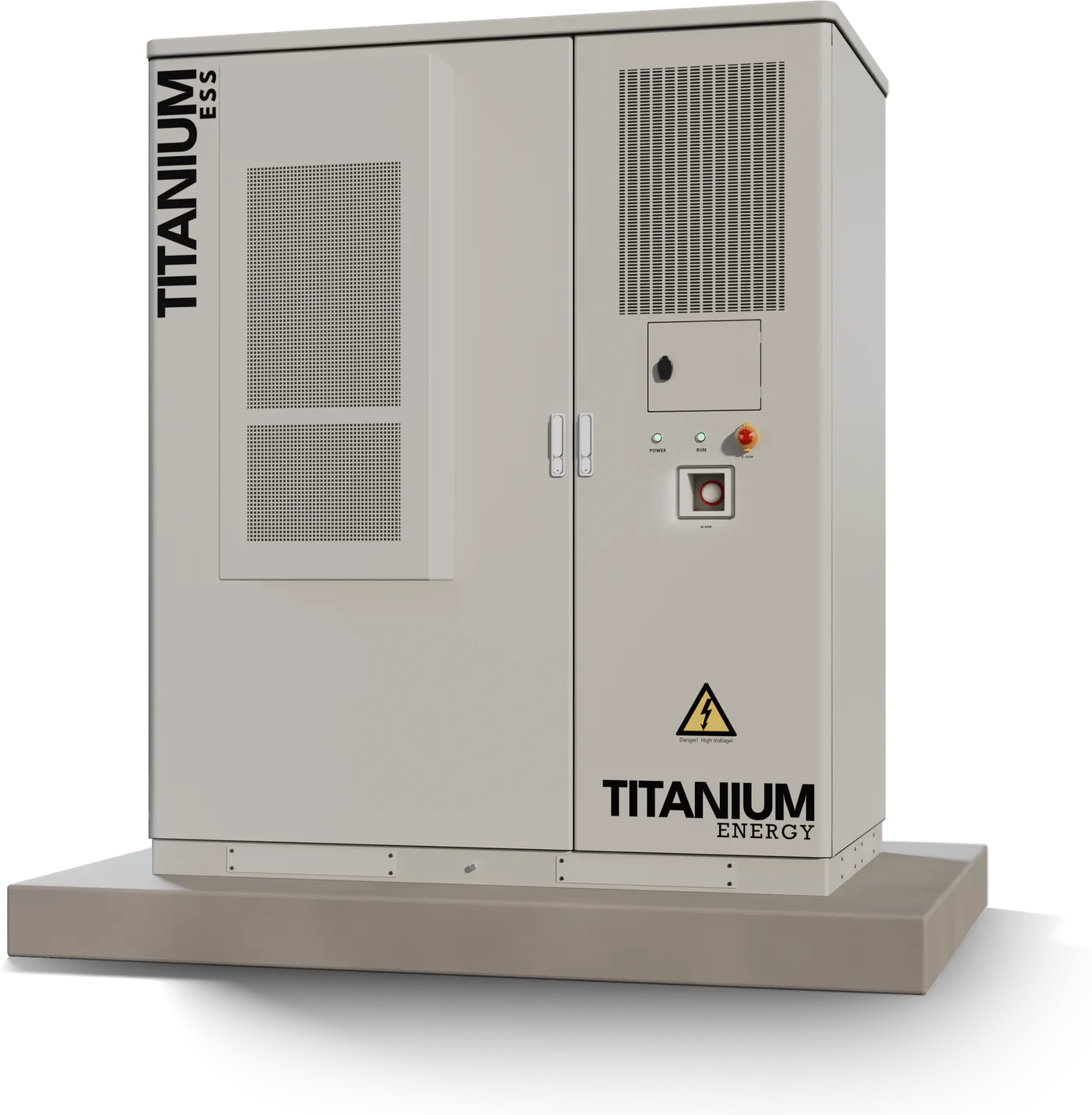
Renders are for illustration; the final product may differ.
Where it earns its place. Four kinds of site.
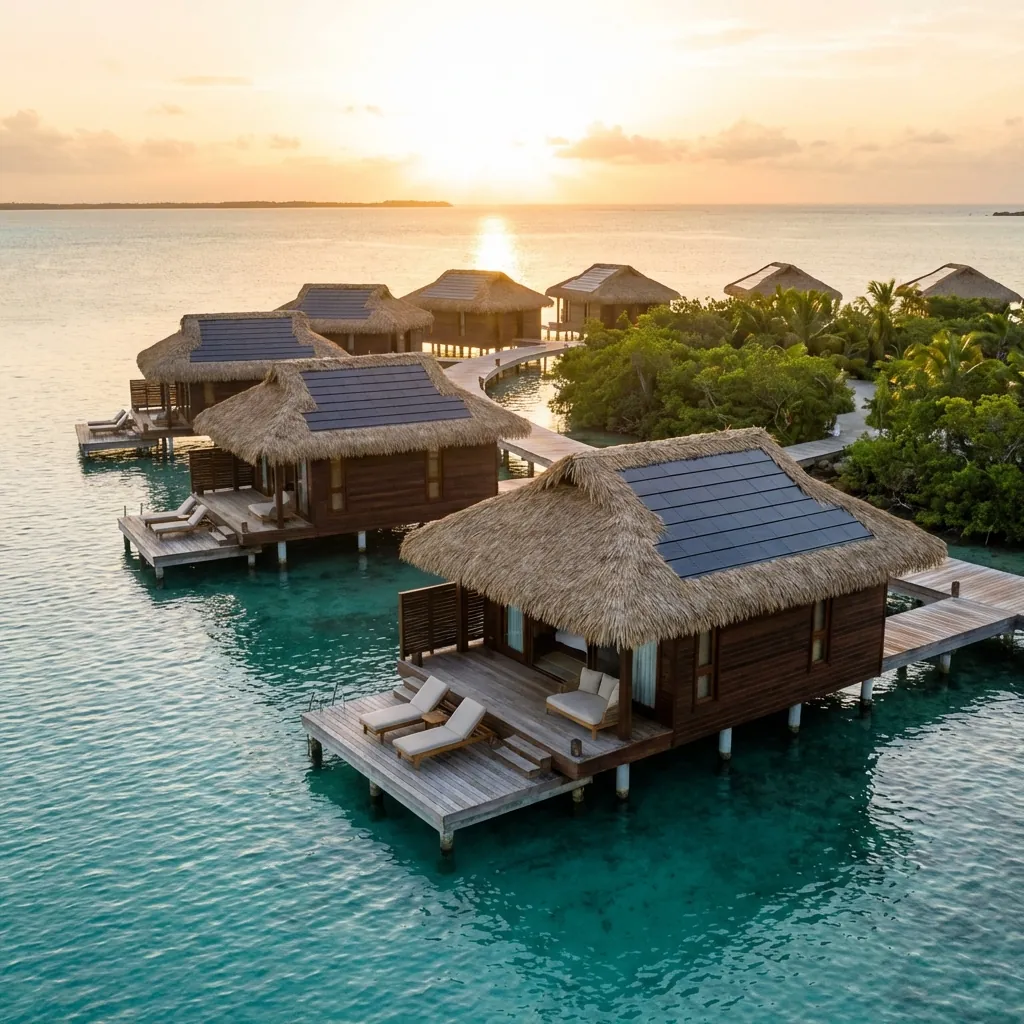
Resorts and Islands
Guests stay cool and kitchens keep cooking through outages, and the generator rests at night.
- Air-conditioning
- Kitchens and laundry
- Water makers
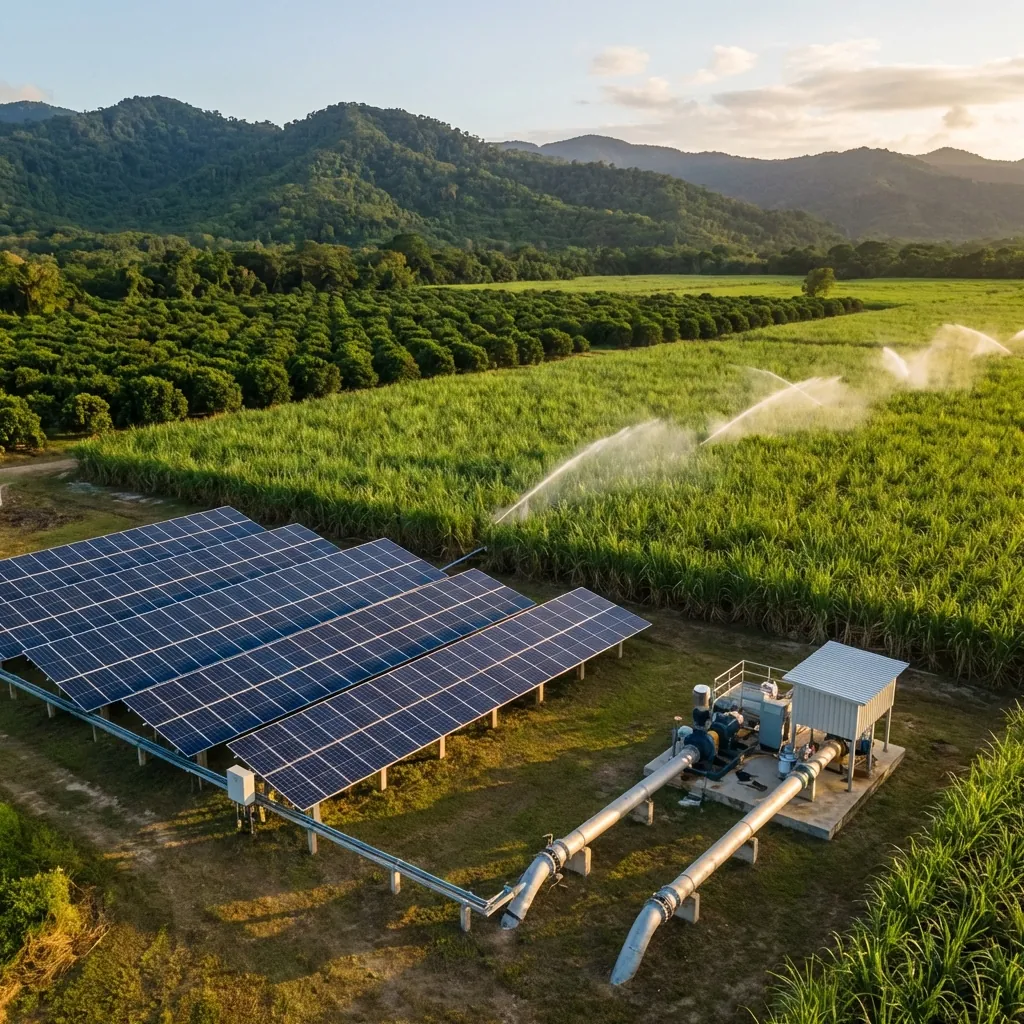
Farms and Agro-Processing
Cooling and processing ride through outages, and big motor starts stop setting the month’s peak.
- Cold rooms
- Feed and processing lines
- Pumps
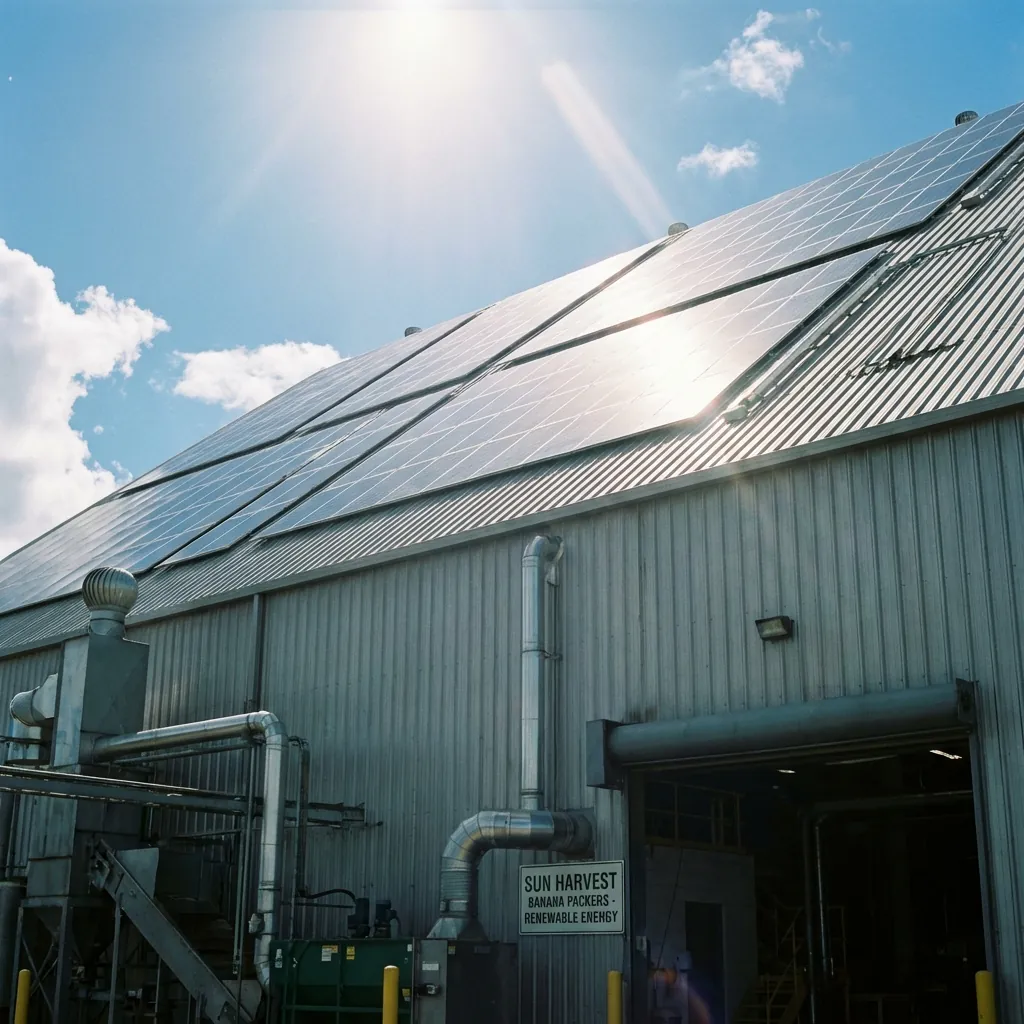
Factories and Industry
Peaks come off demand-billed tariffs, and production keeps running when the grid dips.
- Motors and compressors
- Production lines
- Demand peaks
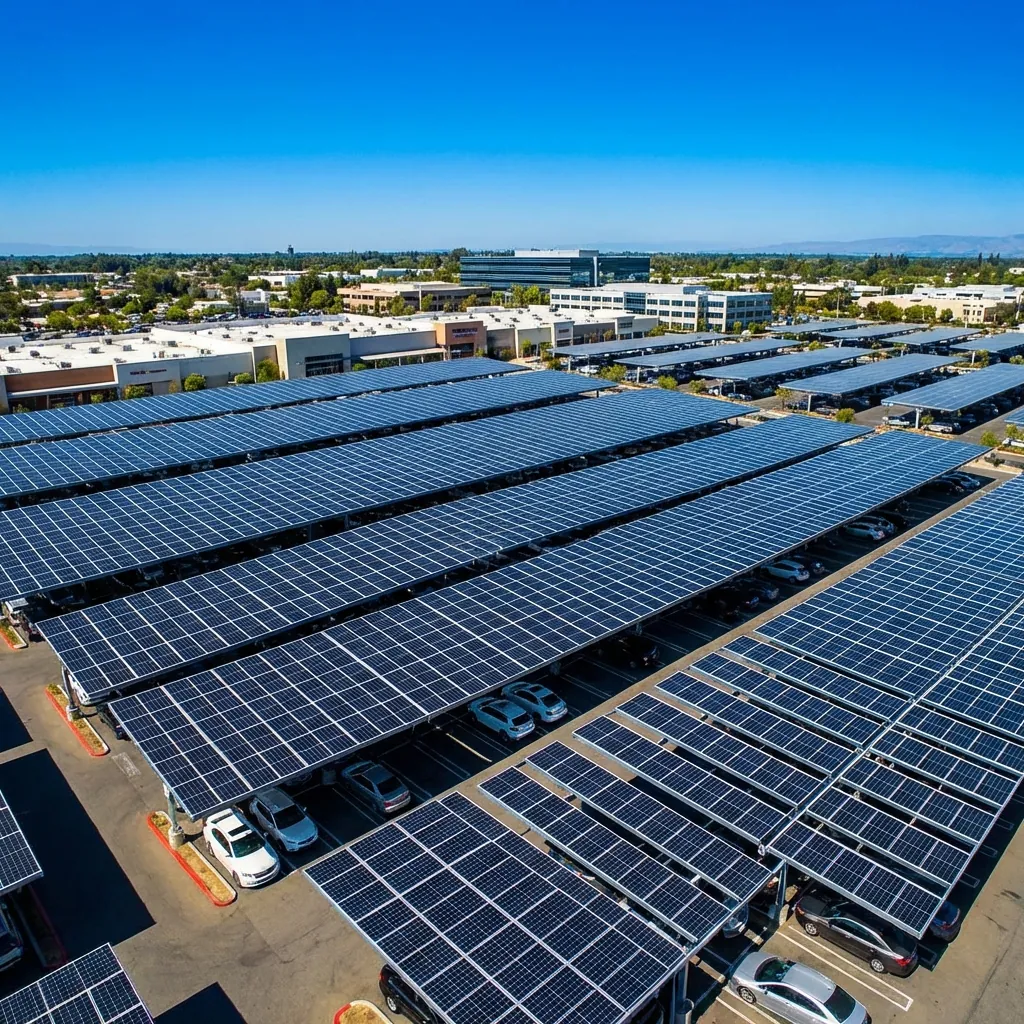
Commercial Buildings
The whole building is backed up, not a few circuits, and rooftop solar carries into the evening.
- Offices and retail
- Server rooms
- Rooftop solar
The grid drops. Your site carries on.
Most battery systems follow the grid, and have to change mode before they can carry the site. The Titanium ESS runs as a virtual synchronous generator (VSG): it holds its own voltage and frequency all the time, so there is nothing to switch.
- Cannot hold the site’s voltage until the grid breaker has opened.
- Detects the loss, waits for the breaker, switches mode and ramps the voltage back: 65 to 90 ms in a published vendor field test with a medium-voltage breaker.
- In NREL lab tests of a planned island, this took 2 s to settle, with a dip to 0.92 per unit.
- Regulates voltage and frequency all the time, sharing load with the grid by droop.
- When the grid fails, the site controller opens the grid breaker and the battery carries on. The load sees no mode change.
- In the same NREL tests, always-grid-forming settled in 2 cycles (0.032 s) with no voltage dip.
The Sol-Ark version takes over within 15 ms when the grid fails.
Keep your solar. Keep your generators.
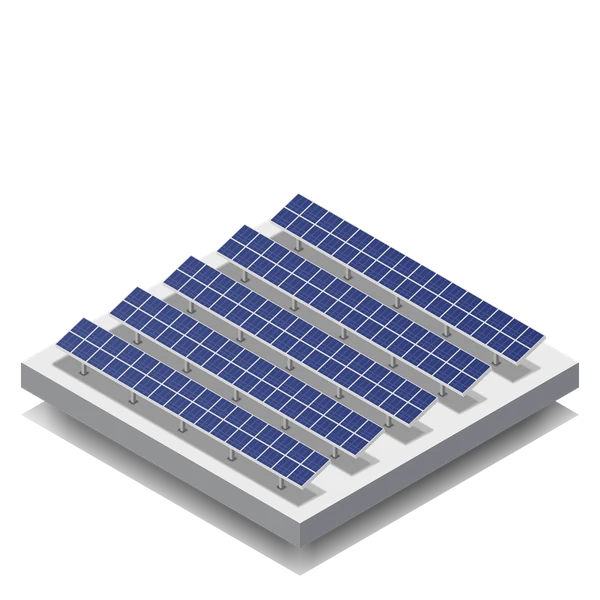
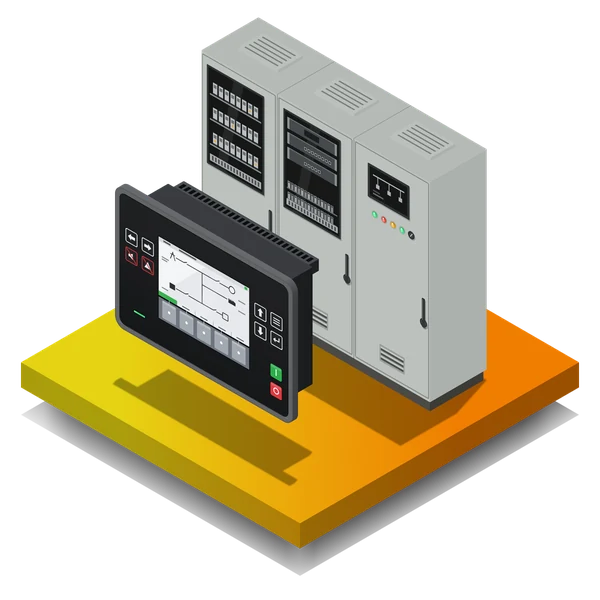
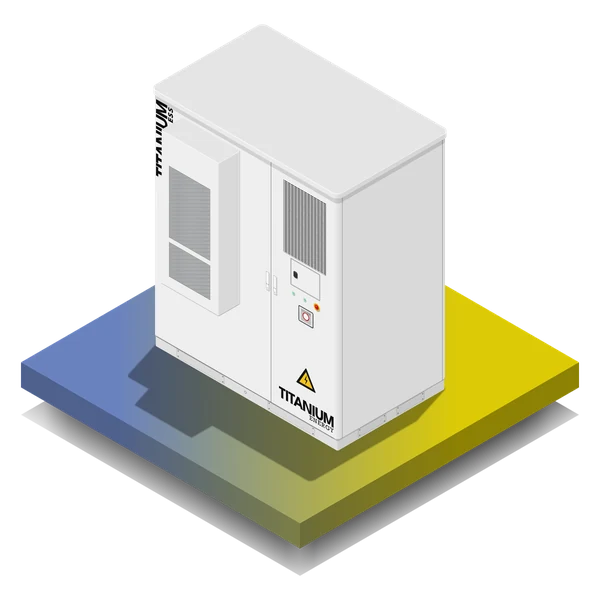
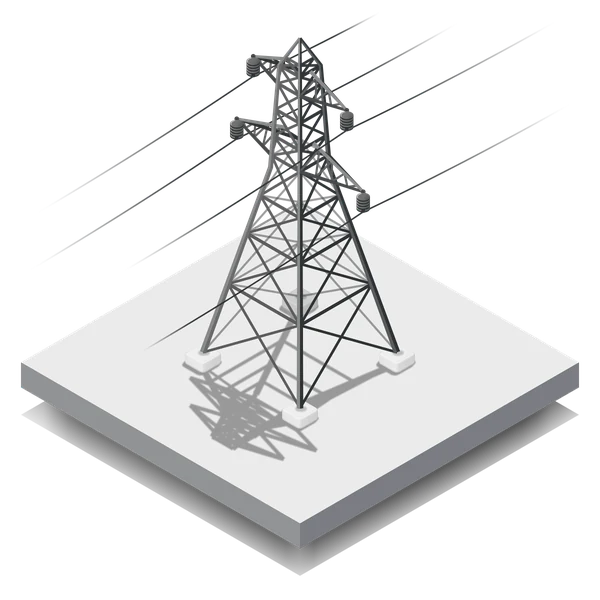
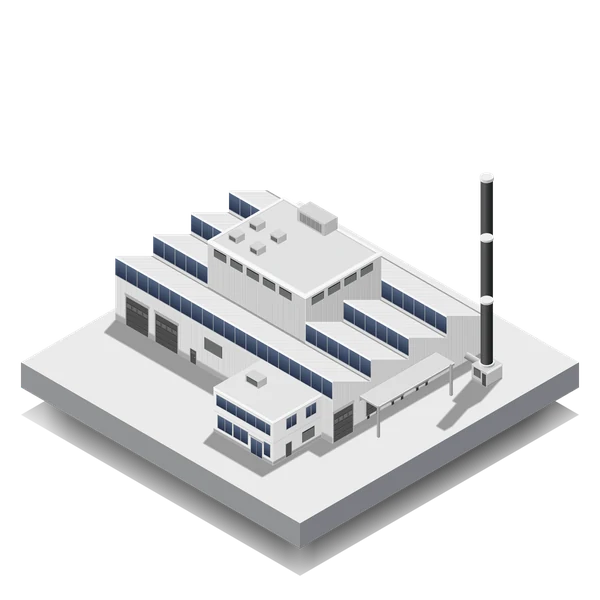
The Titanium ESS drops in beside an existing grid-tied solar system with little or no retrofit, and one site controller runs the whole site: grid, solar, battery and gensets. Choose a mode to see how power moves.
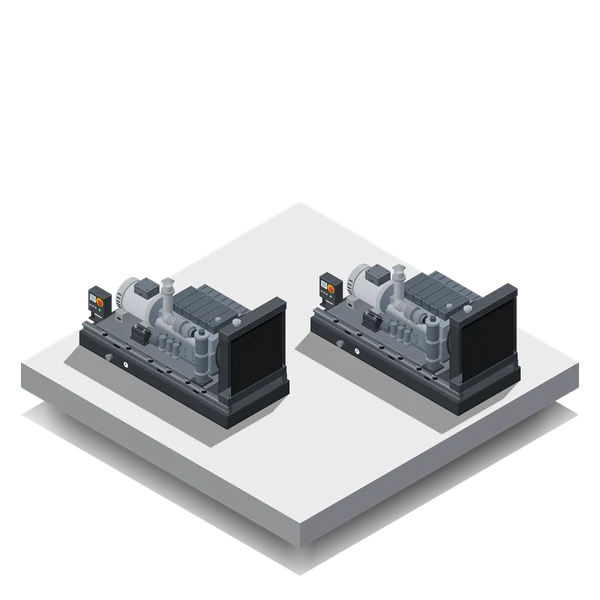
Swipe to see the whole site.
Storage added to an existing grid-tied solar site. The PV inverters stay on the AC side, and the InteliNeo 5500 runs the site from the point of interconnection.
- GridLive
- BatteryCharging
- SolarProducing
- GensetStandby
Your Solar Stays
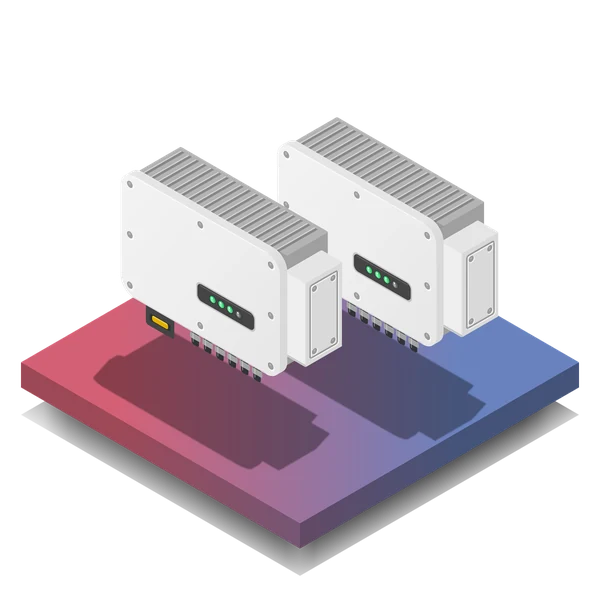
Existing PV inverters stay where they are on the AC side. The site controller reads them over Modbus or SunSpec, and curtails them when the battery is full.
New Solar Charges Direct
New arrays charge the battery through up to three 63 kW MPPT modules on its DC bus, without a second conversion.
Your Gensets Join In
The ComAp controller synchronises with ComAp genset controllers and shares load with them, and starts the genset only when the battery runs low.
Room to Grow
Add cabinets as the site grows: the PCS parallels up to 12 units under one InteliNeo 5500 site controller.
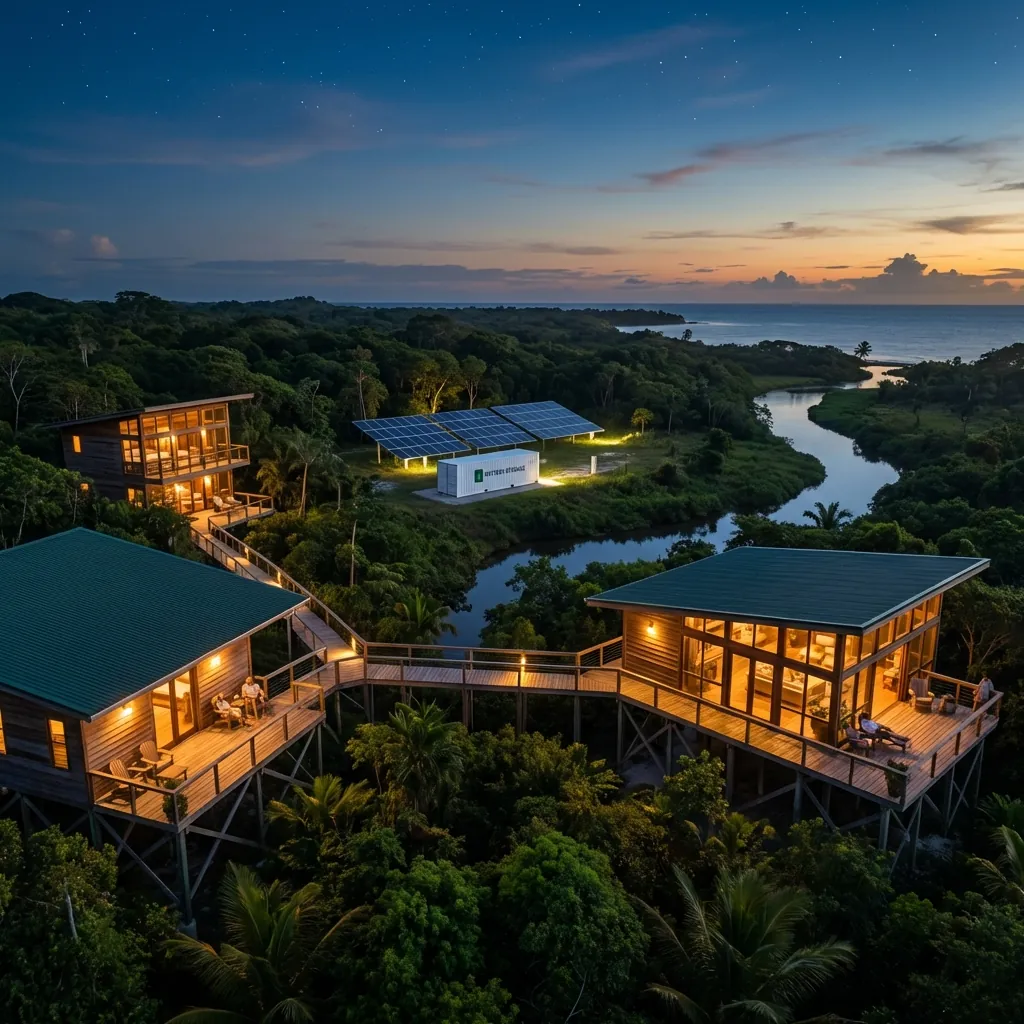
Built for Belize and the Caribbean.
Sea air, hurricane season, heat and humidity set the brief. The Titanium ESS and its foundation are specified for coastal sites from the anchors up.
Pad and 316 stainless anchorage to ASCE 7-16, Exposure C, Risk Category III.
Finish rated to ISO 12944 C5 for salt-laden coastal air.
Sealed cable entries and a 4 kW air conditioner with heating.
One PCS for 120/208, 230/400 or 277/480 V, from Belize to the Bahamas.
* Site-specific, when available.
Run it from the door. Watch it from anywhere.
A ComAp InteliNeo 530 BESS controller behind a lockable door runs the battery, the power conversion and the breakers. The same controller family runs gensets, mains and solar on ComAp sites, so the Titanium ESS joins an existing ComAp microgrid on its control network. About ComAp
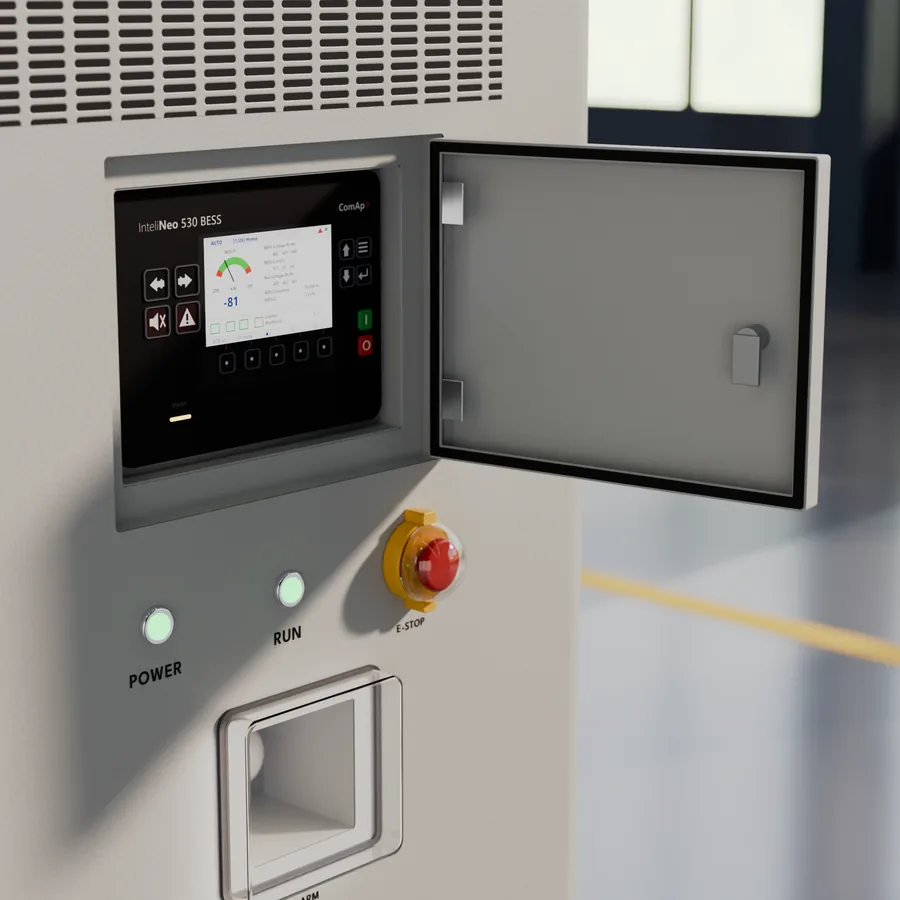
A 5-inch colour display and keypad behind a lockable cover, with the E-stop beside it.
Renders are for illustration; the final product may differ.
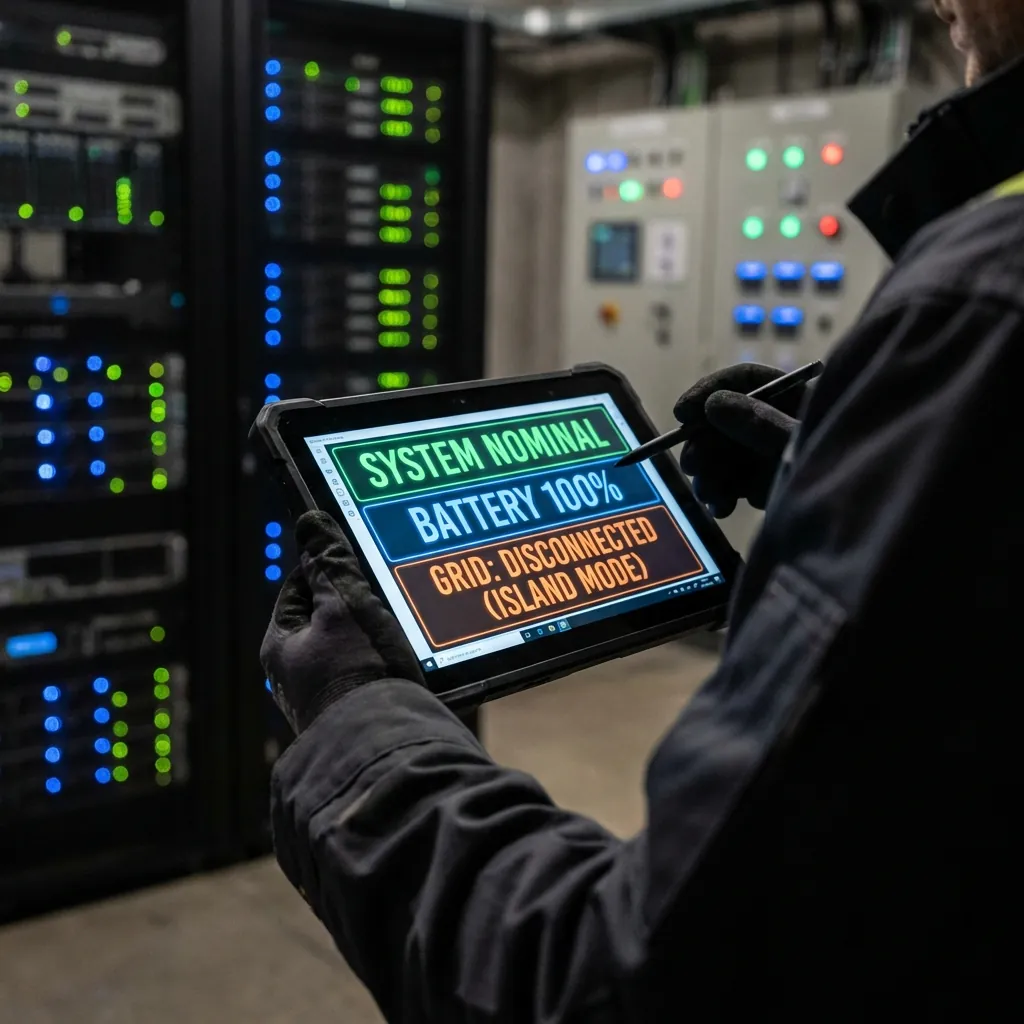
ComAp WebSupervisor and AirGate 2.0 for remote access, alarms and history.
One cabinet. Two ways to build it.
Both versions share the same battery, battery management, safety systems and coastal enclosure. They differ in the power electronics and controls.
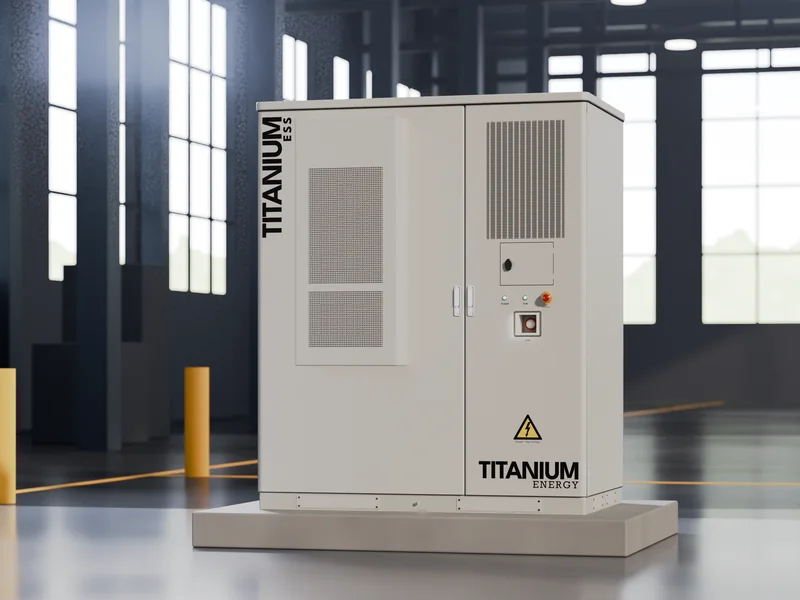
Titanium ESS
For C&I sites and microgrids with solar and gensets
- Built-in 125 kW PCS, grid-forming (VSG)
- ComAp InteliNeo 530 control and remote access
- Up to 189 kW of DC-coupled solar
- Up to 12 units in parallel; UL 1741 PCS option
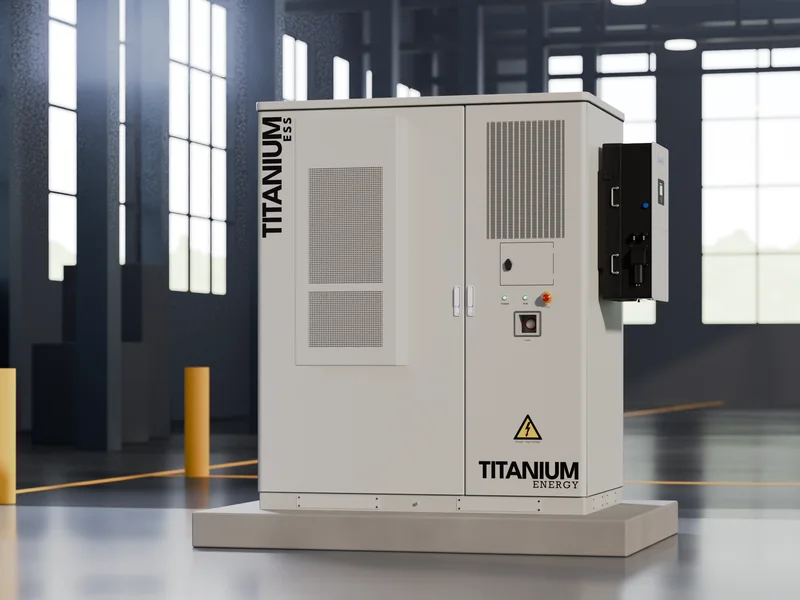
Titanium ESS – Sol-Ark
For businesses that want solar, storage and backup in one unit
- One or two Sol-Ark 30K or 60K hybrid inverters
- Up to 156 kW of solar straight into the inverters
- Takes over within 15 ms; generator input built in
- UL 1741 SB inverters; MySolArk monitoring
Solar, storage and backup in one outdoor unit.
The same cabinet with one or two Sol-Ark hybrid inverters in place of the PCS and ComAp controls. Solar, grid and generator all join at the inverters, and the site keeps running when the grid fails.
Models ESS-C30S / C60S · About Sol-Ark
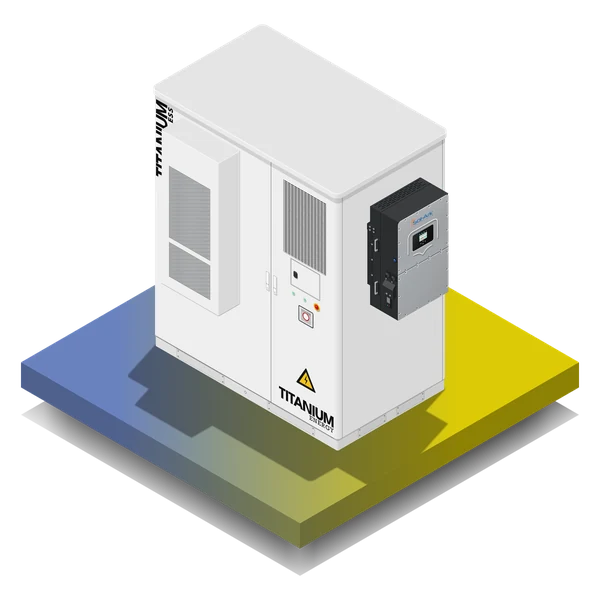
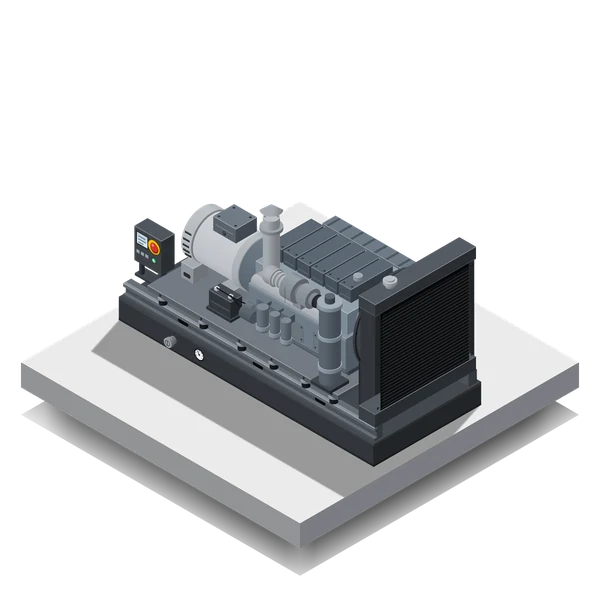
Swipe to see the whole site.
Solar charges the battery and runs the site. The grid passes through the inverters to the loads, and current sensors at the point of interconnection hold zero export or a peak limit.
- GridLive
- BatteryCharging
- SolarProducing
- GensetStandby
Configurations
| Model | AC output | Solar input (STC) | Battery modules | Battery alone ¹ |
|---|---|---|---|---|
| ESS-C30S | One 30K 30 kW, 120/208 V | 39 kW, 4 MPPTs | 6 – 8 × 16 kWh 6 × 20 kWh | 30 kW |
| ESS-C30Sx2 | Two 30K 60 kW, 120/208 V | 78 kW, 8 MPPTs | 6 – 8 × 16 kWh 6 × 20 kWh | 48 – 60 kW |
| ESS-C60S | One 60K 60 kW, 277/480 V | 78 kW, 4 MPPTs | 6 – 11 × 16 kWh 6 – 9 × 20 kWh | 31 – 58 kW |
| ESS-C60Sx2 | Two 60K 120 kW, 277/480 V | 156 kW, 8 MPPTs | 6 – 11 × 16 kWh 6 – 9 × 20 kWh | 48 – 90 kW |
¹ At nominal voltage: the lower of 100 A per inverter and 157 A per cabinet. Solar and grid supply the rest.
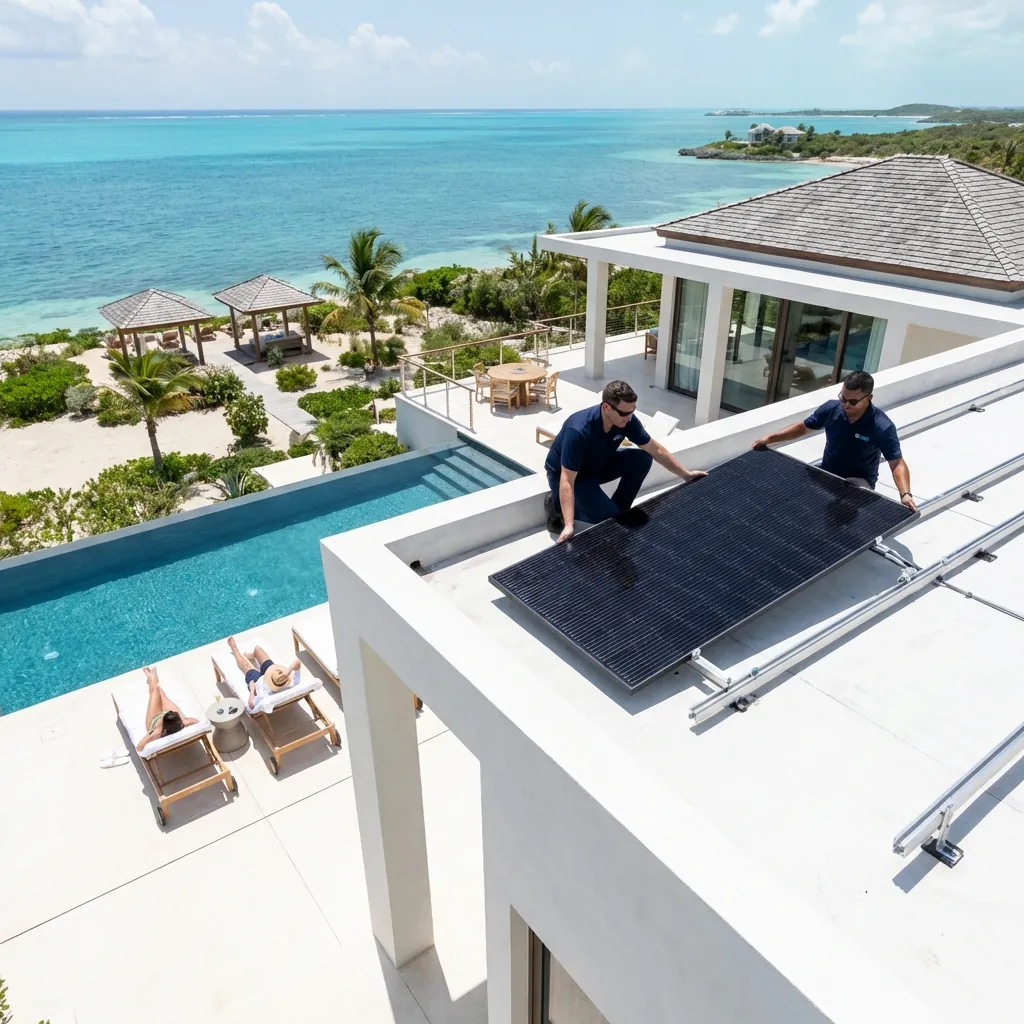
From site study to service.
- 01
Site study
We read your bills, measure your loads and look at the solar and generators you have.
- 02
Design and sizing
We size the battery, the power conversion and the controls, and set out the savings and the backup time.
- 03
Installation
Foundation, delivery, connection and commissioning by our own engineers, with the interconnection to the utility’s rules.
- 04
Monitoring and service
Remote monitoring and maintenance through our operations and maintenance service.
What owners ask us.
The short answers are here. For your own site, an engineer will go through the numbers with you.
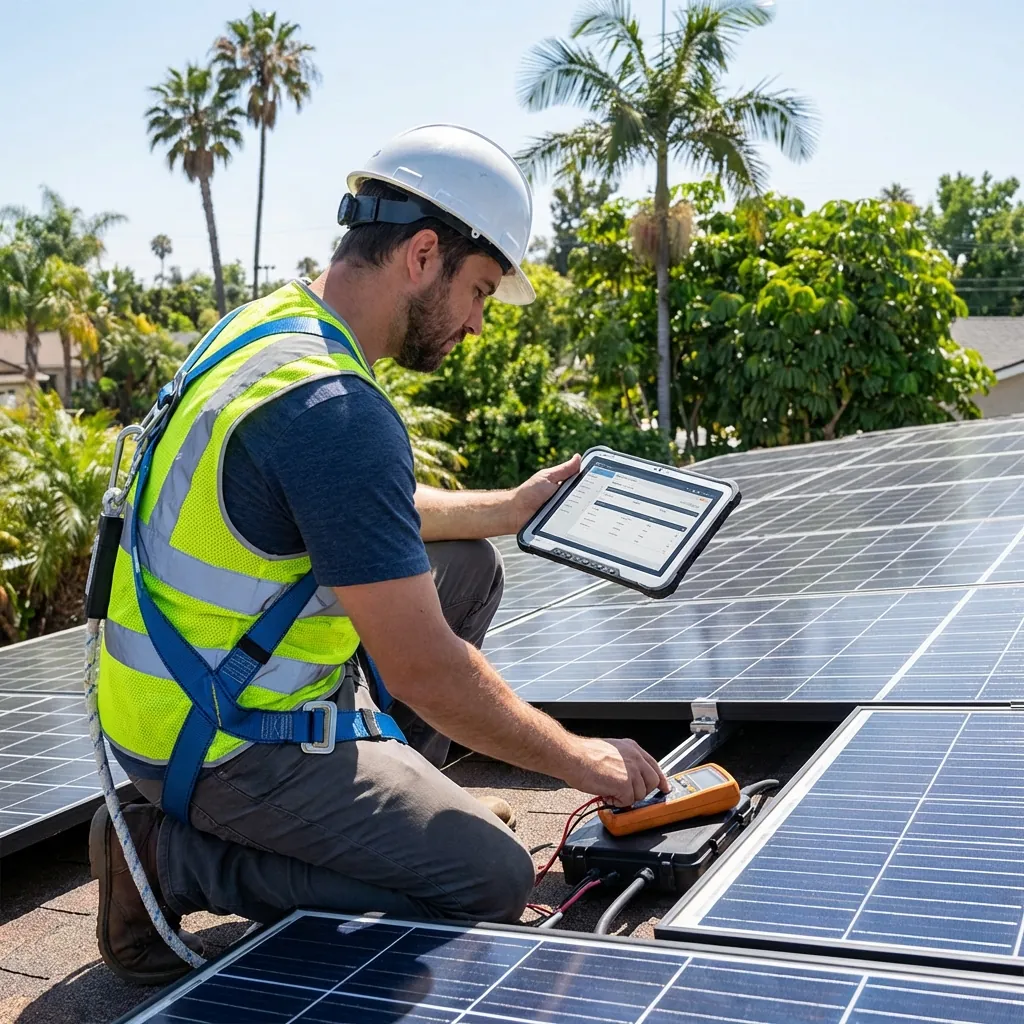
Every number, for your engineer.
Key specifications
| Rated power | Up to 125 kW (137.5 kVA max.) |
|---|---|
| Nominal energy | 96 – 301 kWh: 6 to 15 modules of 16 or 20 kWh |
| AC voltage | 120/208, 230/400 or 277/480 V, 50 / 60 Hz |
| Max. efficiency | ≥ 98.5 % |
ESS-C125
| Off-grid | Voltage source, black start, grid-forming (VSG) |
|---|---|
| Controller | ComAp InteliNeo 530 BESS |
| Enclosure | Outdoor IP65, C5 coating, 1940 × 1150 × 2350 mm |
| Design wind | 180 mph pad and anchorage * |