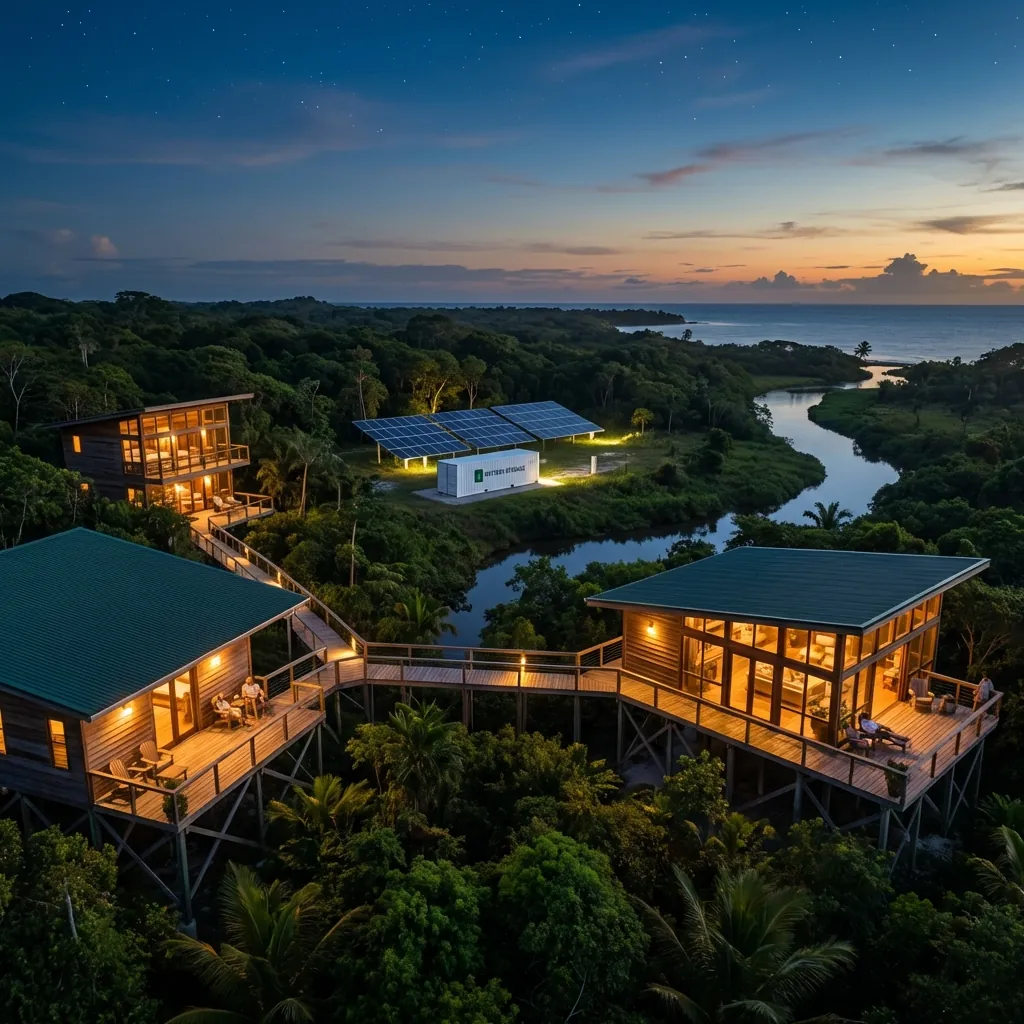
A Power Plant You Own.
True independence isn't just about saving money on a monthly bill—it's about fundamentally rethinking the relationship between generation and consumption. For a century, the model has been "Generate Far Away, Transmit Over Miles." This model is failing.
Safety & Liability
Long-distance utility transmission lines are statistically one of the leading causes of wildfires in dry seasons. Aging infrastructure poses significant risks to property.
Resilience
The modern grid is fragile. Brownouts can silently destroy sensitive motors in HVAC systems and refrigeration units long before a full blackout occurs.
Sovereignty
To run a business on the utility grid is to sign a blank check for the next 20 years. Rates are determined by politics and global oil markets outside your control.
The Cost of Waiting
The math is undeniable. Relying on the grid means "renting" your power at premium retail rates that historically only increase. Building a microgrid is "buying" your power at a fixed rate.
"Renting power leaves you exposed to every global oil shock and policy change."
"Owning power turns a monthly liability into a performing asset on your balance sheet."
The Economics of Distance
For remote developments, the "Last Mile" is often the dealbreaker. Extending utility poles through jungle, swamp, or rocky terrain requires massive deforestation, heavy machinery, and endless permitting.
The Break-Even Point
The Capital Shift Strategy
Smart CFOs are realizing that energy shouldn't be an Operational Expense (OpEx) that bleeds cash forever.
Global Benchmarks
We study the world's most advanced microgrids to set our own engineering standards. These are not just projects; they are the global proofs of concept that validate the technology we deploy.
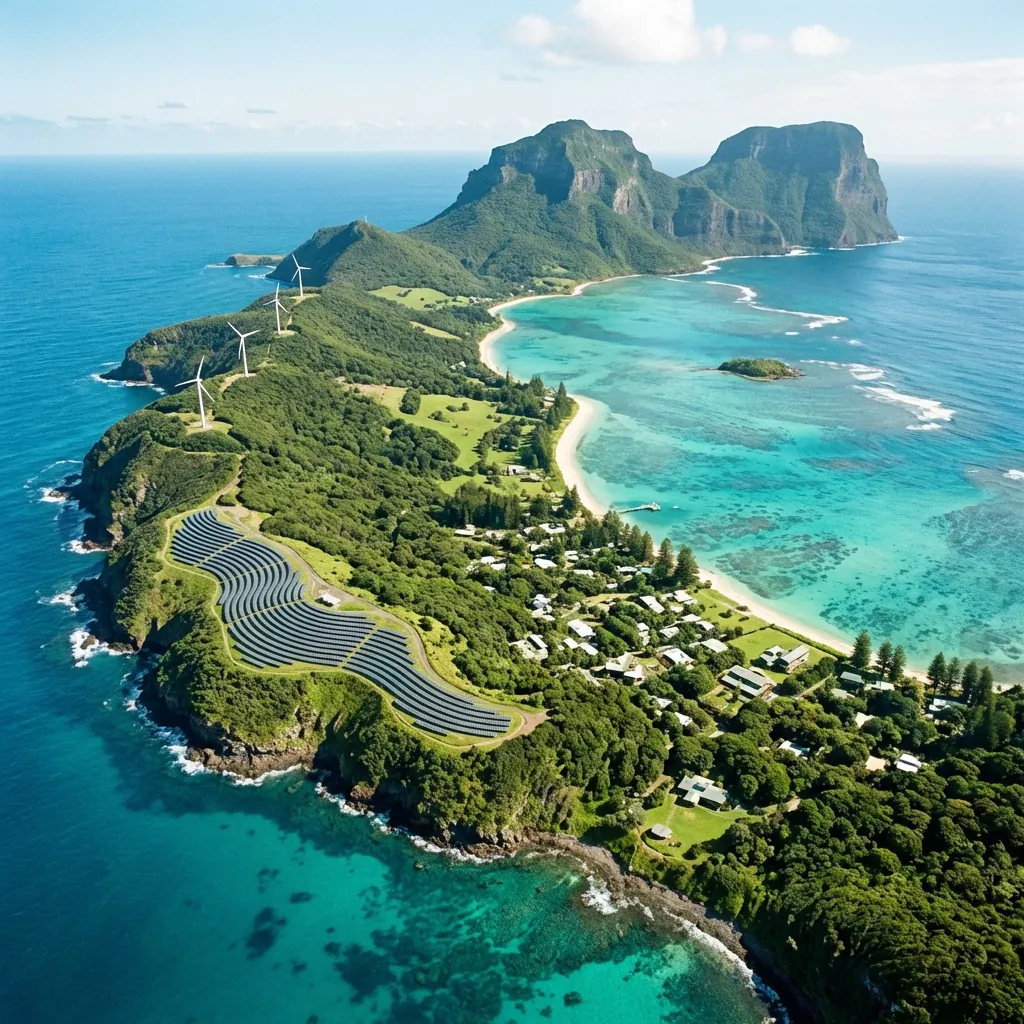
Lord Howe Island
The Benchmark: A UNESCO World Heritage site 600km off Australia. It proves that remote islands can run on 100% renewable energy for days at a time, protecting pristine environments from diesel spills.
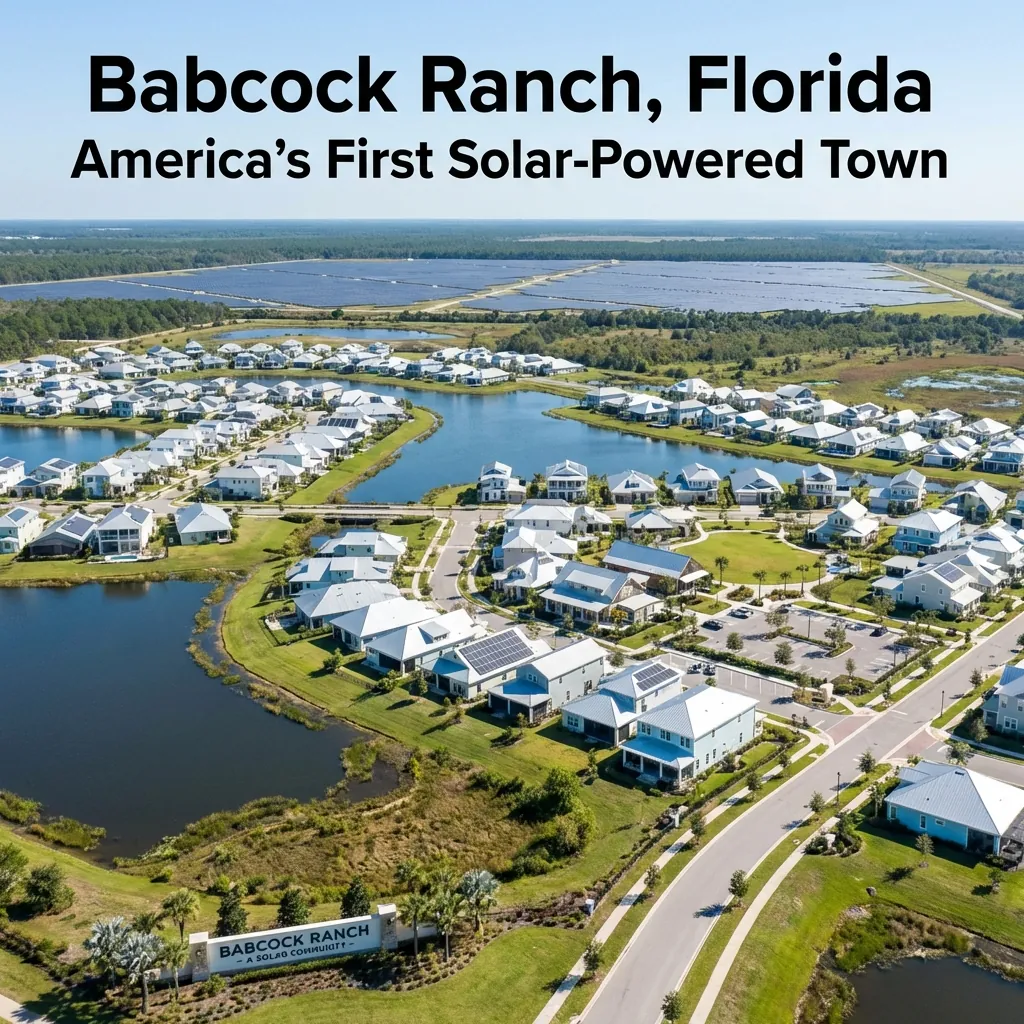
Babcock Ranch
The Benchmark: When Category 4 Hurricane Ian collapsed the Florida grid in 2022, this solar-powered town never lost power. It stands as the ultimate proof of microgrid reliability in extreme weather.

Cheetah Plains
The Benchmark: A South African luxury lodge that operates entirely off-grid. By charging electric safari vehicles with solar, they offer guests a silent, zero-emission game drive experience.
The Ring Bus
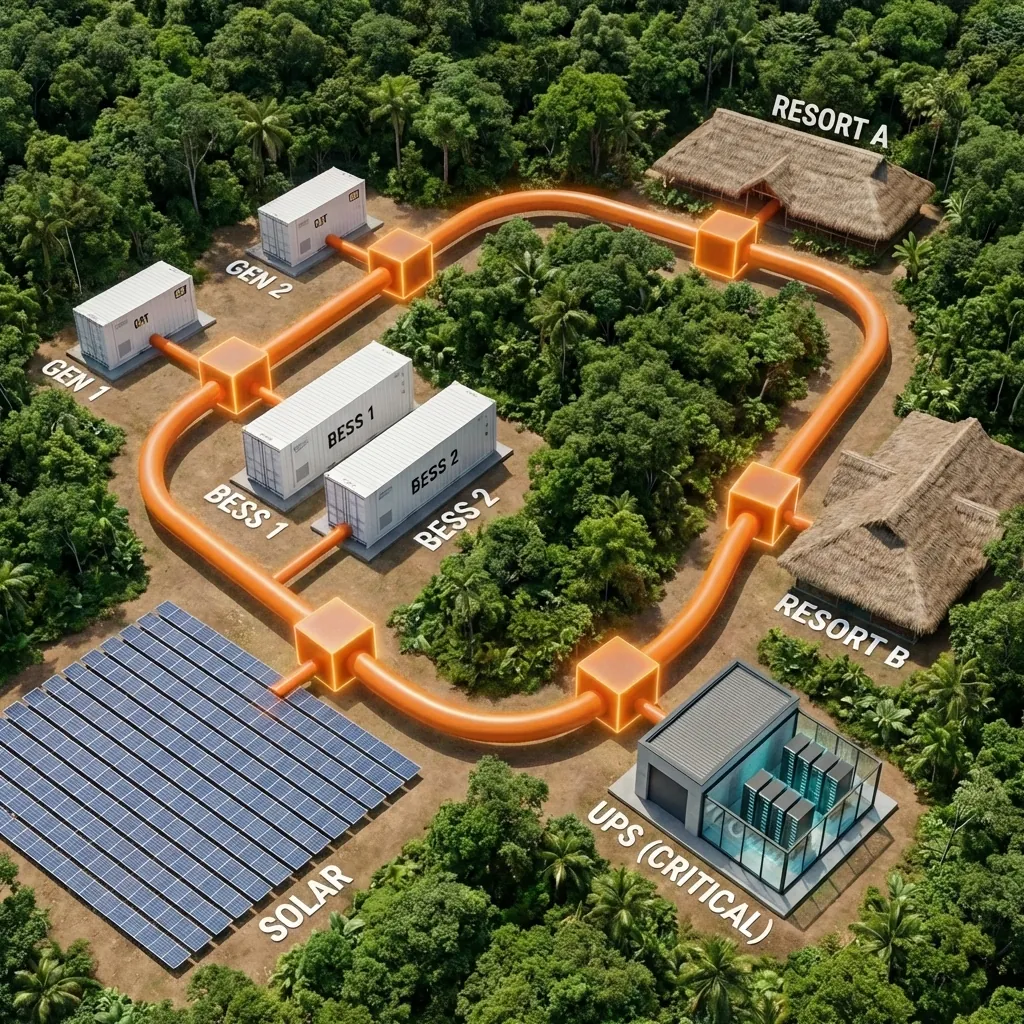
Figure 1.0: Decentralized Ring Bus Architecture // N-1 Redundancy
The Hive Mind
In a traditional power plant, there is a central brain—a SCADA system—that tells every generator what to do. It's a "Hub and Spoke" model. If the Hub fails, the spokes stop spinning.
We've learned that relying on a single master controller is a recipe for fragility. Instead, we use a Decentralized Logic architecture inspired by swarm intelligence. Every node is autonomous. If one fails, the others instinctively close the gap.
Virtual Synchronous Generator (VSG)
Standard solar inverters are "Grid Following"—passive followers. Our battery inverters are "Grid Forming." They mathematically emulate the physics (inertia) of a massive spinning iron generator.
Droop Paralleling
How do 10 different batteries share a load perfectly without talking to each other? We use Droop Control.
Ring Topology
Linear power lines have a beginning and an end. If a tree falls in the middle, the end loses power. We build Ring Buses—continuous loops.
Zero Transfer Time
In the digital age, a "blink" of power isn't just an annoyance—it's a system failure. Servers crash, guests wake up, and sensitive electronics degrade. We engineered the blink out of existence.
Diesel Generator
Total blackout while engine cranks. HVAC stops, internet drops, security systems reset.
Standard Grid-Tie
Relay switching time. Lights flicker off/on. Enough to reset clocks and crash desktops.
Double-Conversion UPS
Seamless coverage for critical racks only. High OpEx (fan replacement, battery swaps).
VSG Microgrid
Facility-wide seamless power. No transfer switch event. The inverters are the grid.
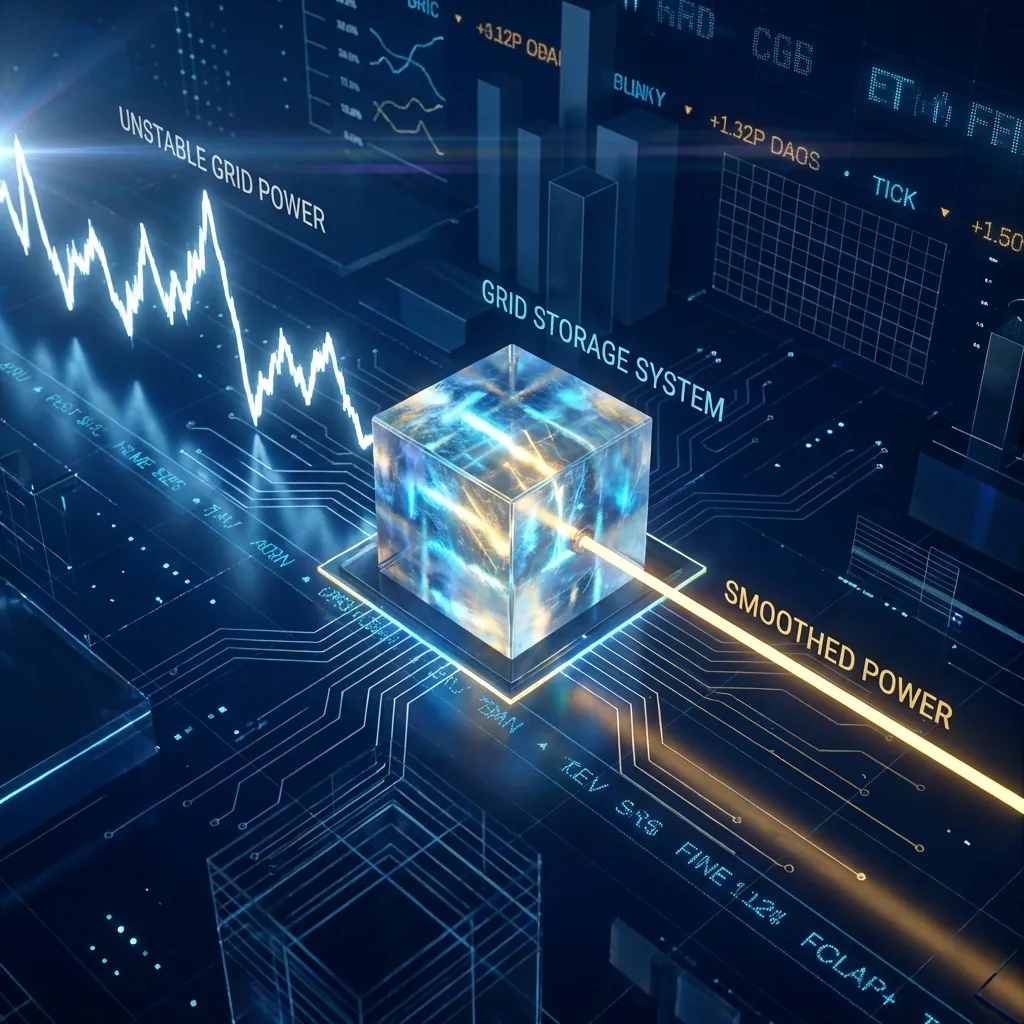
How it Works:
Physics, not Switches.
We don't "switch" to backup power. Our Virtual Synchronous Generators are always running in parallel with the grid, creating the voltage waveform. When the grid fails, they simply take over the full current load instantly.
1Grid Forming Mode
Unlike standard "grid-following" inverters that shut off when the grid fails, our VSG inverters create their own voltage reference 24/7. They don't need a grid to operate—they create one.
2N+1 Data Center Redundancy
For mission-critical data loads, we integrate Double-Conversion UPS systems downstream as a final layer of defense. This ensures clean power (N+1) even if a localized breaker trips within the microgrid itself.
3Seamless Reconnect
When the utility returns, the VSG matches its frequency and phase angle perfectly—down to the millisecond—before closing the contactor. The transition back to the grid is just as invisible as the disconnection.
From Concept to Commissioning
Building a power plant is not a DIY project. It requires a rigorous engineering workflow to ensure safety and reliability. We handle the entire lifecycle in-house.
Load Analysis
We don't guess. We deploy data loggers to map your exact energy profile. We identify peak startup currents to size inverters correctly.
System Design
Our engineers simulate 'Worst Case' scenarios—weeks of rain, maximum occupancy—to design a battery bank that survives the edge cases.
Integration
We pre-build and test the core power electronics in our lab before shipping. We retrofit your switchgear to seamlessly accept the microgrid feed.
Black Start Test
The final exam. We pull the main utility breaker at full load. If the lights flicker, we failed. We tune the system until the transition is invisible.
Mission Control
In Your Pocket
Complexity should be invisible. You don't need to be an electrical engineer to run your plant. We give you a single pane of glass to see everything.
Real-Time Analytics
See your savings, battery health, and solar production instantly. Historical data allows you to optimize your usage behavior to squeeze every watt out of the system.
Remote Command
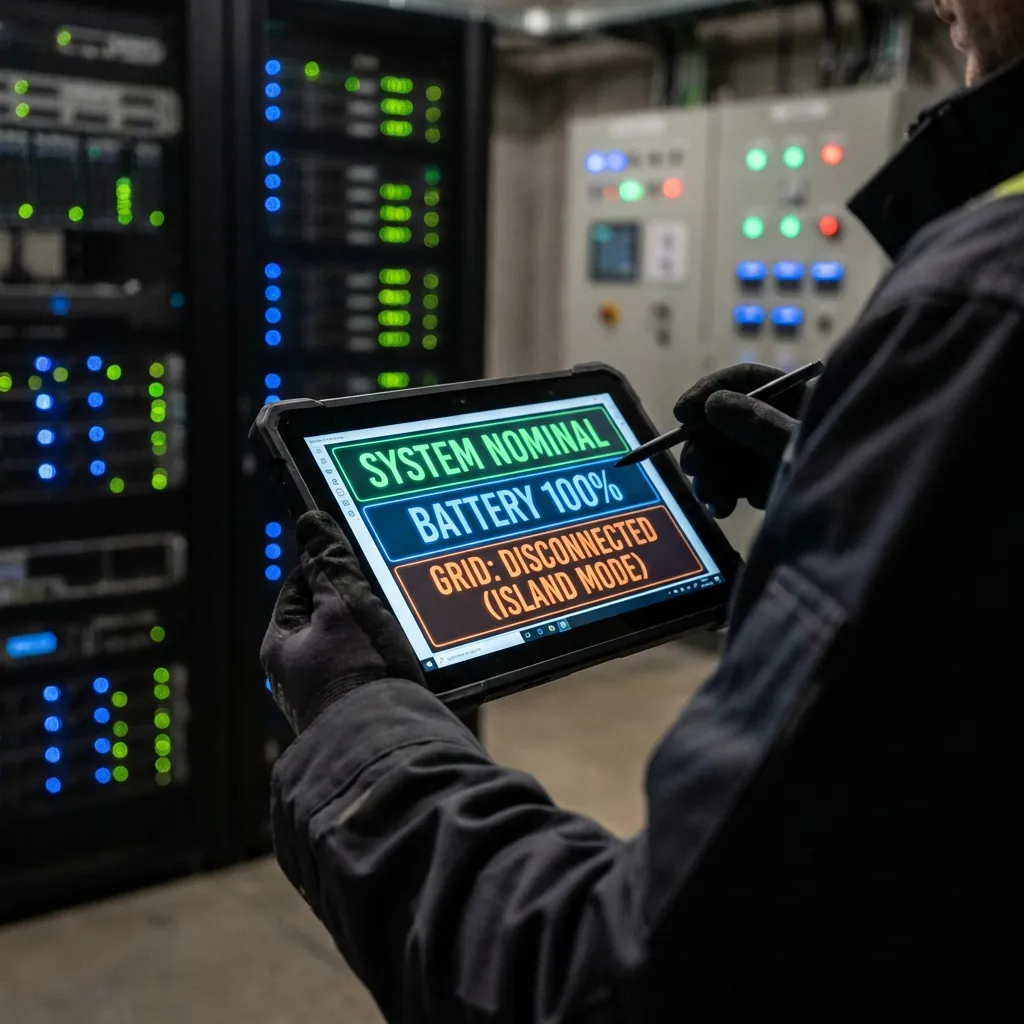
Full SCADA control from your phone. Start backup generators, shed non-critical loads (like pool heaters), or isolate the system with a single tap from anywhere in the world.
Predictive Maintenance
Our AI monitors component health. We know a cooling fan is failing 2 weeks before it breaks, allowing us to dispatch a technician with the right part before you ever lose power.
Future Proof
By Design
Infrastructure shouldn't be static. We build living systems that evolve with your needs, from adding villas to powering electric fleets.
Grow With You
Our modular AC-coupled architecture handles expansion effortlessly. Start with 100kW and scale to 1MW+ without discarding a single panel or inverter.
EV Infrastructure Ready
Electric fleets (boats, carts, shuttles) are the next massive load. Our systems feature "Transient High Current" capacity to handle fast-charging demands today.

Navigating Belize's Energy Landscape
Developing solar projects in Belize requires more than technical expertise — it requires understanding the regulatory pathway and maintaining strong relationships with key government agencies.
PUC Licensed
Titanium Energy is fully licensed by the Public Utilities Commission. Our engineers are PUC-approved, ensuring every project meets Belize's grid interconnection and safety requirements.
PUC Collaboration
We work directly with the PUC throughout the development process — from initial feasibility studies through final interconnection approval. This relationship helps projects move efficiently through the regulatory pipeline.
BTB Partnership
For resort and tourism sector projects, we coordinate closely with the Belize Tourism Board to align installations with tourism development priorities and national sustainability initiatives.
Cross-Agency Coordination
We maintain working relationships with the Ministry of Energy, Department of Environment, Lands Department, and municipal authorities to streamline permitting and approvals across all project types.
"For foreign investors and developers, navigating Belize's regulatory environment can be the biggest project risk. Our established relationships turn that risk into a managed process."